Skip to content Skip to sidebar Skip to footer
The TAIS TIMOR is open from Mon - Fri 9 am - 5 pm
Presidential Palace Camp, Aitarak Laran, Timor-Leste
The TAIS TIMOR is open from Mon - Fri 9 am - 5 pm
Presidential Palace Camp, Aitarak Laran, Timor-Leste

Makasae Textile

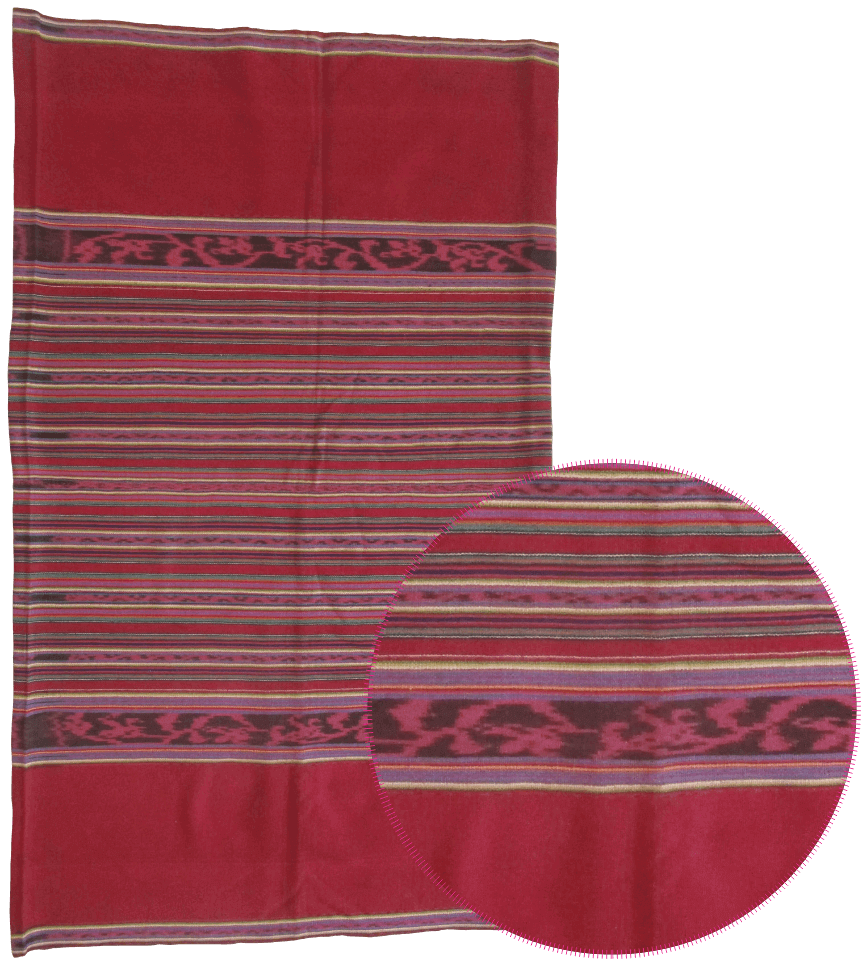
Makasae textile is a red-dominated textile that is a cultural heritage of the Makasae ethnic group. Men’s fabric is sewed together from two panels, similar to women’s cloth, but it is sewn with the character as a sarong. Imileka, kialai, wali imi, and wali metetextiles are believed to have the highest value and are constantly used in traditional festivities such as Sau Batar, Barlake, lia mate, kore-metan, and uma-lisan.

Kola Wali Gisi / Kola Leka Daho Tais Mane

Tais Makasae_ Kola Wali Gisi_Kola Leka Daho Tais Mane 01

Kola wali gisi-Kola leka Daho is a men’s texile that is particularly essential in Baucau traditional festivities. This textile is worth the same as buffalo, horses, swords, and goats. This cloth is made up together from two panels.

Kola Wali Gisi / Kola Leka Daho Tais Mane

Uturasi-Tais Mane

Tais Makasae_ Uturasi-Tais Mane 01

Uturasi is the ethnic makasae men’s clothing. This material is used to replace the buffalo in withiin the traditional. Because the receipt-dyed is so small, this textile weaving procedure takes a long time. It is called uturasi because it is sewn together from two panels.

Uturasi-Tais Mane

Rabi Wali Gisi-Tais Feto Nini Tomak

Tais Makasae_ Rabi Wali Gisi-Tais Feto 01

Wali Gisi Textile is a women’s material that is constantly used as umane in traditional ceremonies. Aside from that, it is worn as apparel for girls when all of their dowries has been discussed and she will be going to her husband’s residence.

Rabi Wali Gisi-Tais Feto Nini Tomak

Watahasa Rapi (Mk), Tais Feto

Tais Makalero Watasa Rapi (F) Watahasa Rapi (Mk), Tais Feto

Watahasa Rapi is a cloth indigenous to Iliomar- Lautem. Watahasa is named from the red line that runs through the center. This fabric is only used for parties, receptions, and various dances. This cloth is particularly important in the Iliomar people’s traditions, especially at weddings, where the woman’s family will give it to her daughter to wear and go home together to her husband’s house. This demonstrates that all customs and traditions have been discussed. Married women will swear by three types of textiles: naileki, rapi, and tais feto. Above, the word naileki is used. If these fabrics are unavailable, Pailale, tais feto pailale, and Watahasa Nunu kala might be substituted.

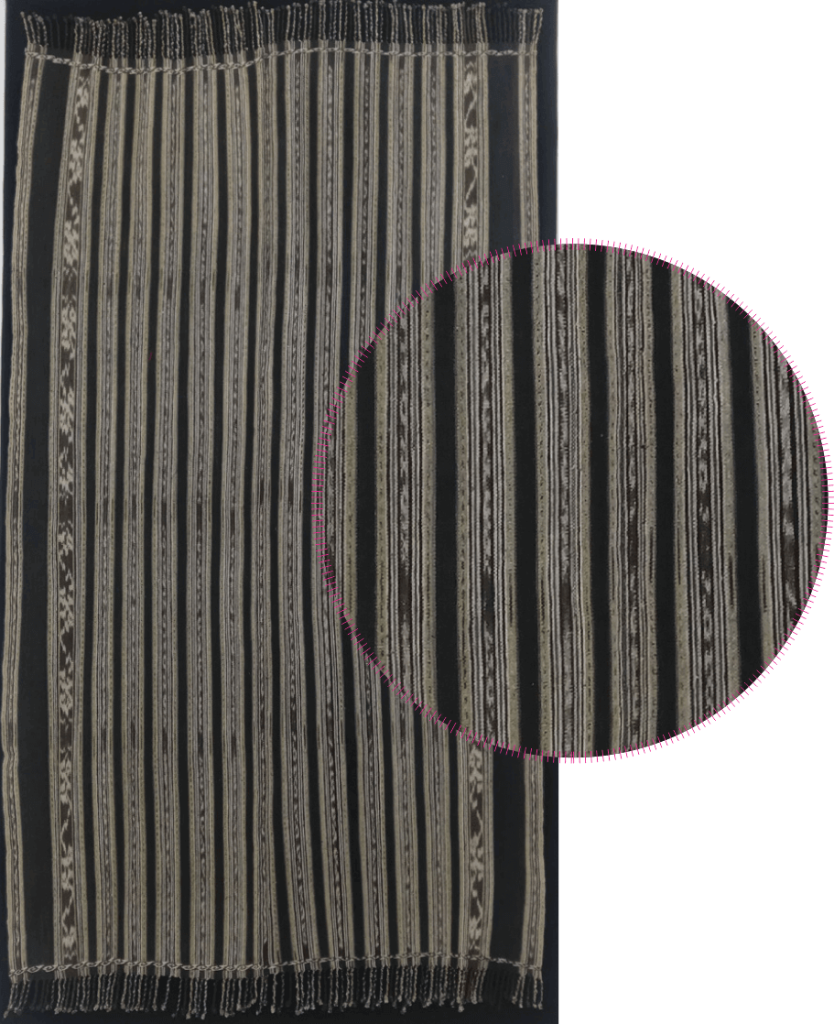
Tais Makalero, Watahasa Rapi (Mk), Tais Feto